




One sudden warm day in June,
We drove far out in the country,
We parked our car along the highway,
And strolled across the meadows.
Just the two of us hand in hand,
Gathering armfuls of flowers,
The sun rose high above us,
We left our cares behind us.
There was a pool of clear water,
Between the meadow and the forest,
We stripped and bathed all over,
And stretched out in the sunlight.
I'll remember this day forever -
Our festival of flowers.
Those short moments in our lifetime
When we were one with nature.
Just two of us, hand in hand,
Spending a few precious hours
The sun rose high above us,
In our festival of flowers
Pete Seeger (1919-2014) était un chanteur, musicien et activiste américain de renommée mondiale. Né à New York dans une famille d'artistes, Seeger s'est distingué par sa voix puissante et son engagement social. Il a commencé sa carrière dans les années 1930 avec des groupes folk comme The Almanac Singers, promouvant des thèmes de justice sociale et combattant les injustices. Pendant les années 1950, Seeger est devenu un symbole de la musique folk américaine, influençant des générations d'artistes par son style direct et engageant. Sa chanson la plus célèbre, "Where Have All the Flowers Gone?", est devenue un hymne pour la paix et contre la guerre. Il a également contribué à la naissance du mouvement écologiste dans les années 1960 avec des chansons comme "If I Had a Hammer". Seeger a été souvent critiqué pour ses opinions politiques pendant la Guerre Froide, mais il est resté une icône de la musique folk américaine jusqu'à sa mort en 2014. Parmi ses albums les plus importants figurent "American Industrial Ballads" (1956) et "Rainbow Race" (1963). Certaines de ses chansons les plus représentatives sont : "Where Have All the Flowers Gone?", "If I Had a Hammer", "Turn! Turn! Turn!" et "Guantanamera".

 Ma$e
 Cree Summer
 Kenny Lattimore
 Martin Castillo
 J. Michael Harter
 Mario Vazquez
 Jacquie Lee
 Kevin Lyttle
 Eva Cassidy
 Gwen Stefani
 Flatfoot 56
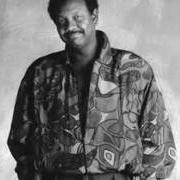 Tyrone Davis