




I come and stand at every door
But none can hear my silent tread
I knock and yet remain unseen
For I am dead, for I am dead.
I'm only seven, although I died
In Hiroshima long ago.
I'm seven now, as I was then -
When children die, they do not grow.
My hair was scorched by swirling flame;
My eyes grew dim, my eyes grew blind.
Death came and turned my bones to dust,
And that was scattered by the wind.
I need no fruit, I need no rice.
I need no sweets, or even bread;
I ask for nothing for myself,
For I am dead, for I am dead.
All that I ask is that for peace
You fight today, you fight today.
So that the children of this world
May live and grow and laugh and play!
Pete Seeger (1919-2014) était un chanteur, musicien et activiste américain de renommée mondiale. Né à New York dans une famille d'artistes, Seeger s'est distingué par sa voix puissante et son engagement social. Il a commencé sa carrière dans les années 1930 avec des groupes folk comme The Almanac Singers, promouvant des thèmes de justice sociale et combattant les injustices. Pendant les années 1950, Seeger est devenu un symbole de la musique folk américaine, influençant des générations d'artistes par son style direct et engageant. Sa chanson la plus célèbre, "Where Have All the Flowers Gone?", est devenue un hymne pour la paix et contre la guerre. Il a également contribué à la naissance du mouvement écologiste dans les années 1960 avec des chansons comme "If I Had a Hammer". Seeger a été souvent critiqué pour ses opinions politiques pendant la Guerre Froide, mais il est resté une icône de la musique folk américaine jusqu'à sa mort en 2014. Parmi ses albums les plus importants figurent "American Industrial Ballads" (1956) et "Rainbow Race" (1963). Certaines de ses chansons les plus représentatives sont : "Where Have All the Flowers Gone?", "If I Had a Hammer", "Turn! Turn! Turn!" et "Guantanamera".

 Luxt
 Crips
 Sheb Wooley
 The Muffs
 Spock'S Beard
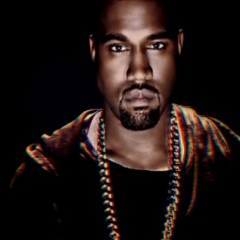 Kanye West
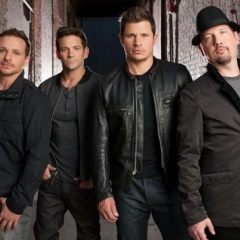 98 Degrees
 Michael Peterson
 Roger Miller
 Jesse Powell
 Mac Mall
 Osker