





[Chorus (and after each verse):]
Last train to Nuremberg!
Last train to Nuremberg!
Last train to Nuremberg!
All on board!
Do I see Lieutenant Calley?
Do I see Captain Medina?
Do I see Gen'ral Koster and all his crew?
Do I see President Nixon?
Do I see both houses of Congress?
Do I see the voters, me and you?
Who held the rifle? Who gave the orders?
Who planned the campaign to lay waste the land?
Who manufactured the bullet? Who paid the taxes?
Tell me, is that blood upon my hands?
If five hundred thousand mothers went to Washington
And said, "Bring all of our boys home without delay!"
Would the man they came to see, say he was too busy?
Would he say he had to watch a football game?
Pete Seeger (1919-2014) était un chanteur, musicien et activiste américain de renommée mondiale. Né à New York dans une famille d'artistes, Seeger s'est distingué par sa voix puissante et son engagement social. Il a commencé sa carrière dans les années 1930 avec des groupes folk comme The Almanac Singers, promouvant des thèmes de justice sociale et combattant les injustices. Pendant les années 1950, Seeger est devenu un symbole de la musique folk américaine, influençant des générations d'artistes par son style direct et engageant. Sa chanson la plus célèbre, "Where Have All the Flowers Gone?", est devenue un hymne pour la paix et contre la guerre. Il a également contribué à la naissance du mouvement écologiste dans les années 1960 avec des chansons comme "If I Had a Hammer". Seeger a été souvent critiqué pour ses opinions politiques pendant la Guerre Froide, mais il est resté une icône de la musique folk américaine jusqu'à sa mort en 2014. Parmi ses albums les plus importants figurent "American Industrial Ballads" (1956) et "Rainbow Race" (1963). Certaines de ses chansons les plus représentatives sont : "Where Have All the Flowers Gone?", "If I Had a Hammer", "Turn! Turn! Turn!" et "Guantanamera".

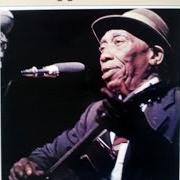 Mississippi John Hurt
 Love And Theft
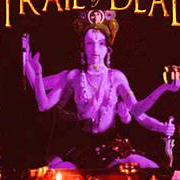 And You Will Know Us By The Trail Of Dead
 Ransom.
 King Louie
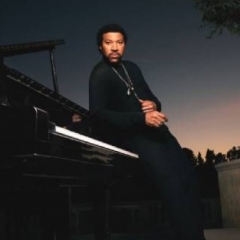 Lionel Richie
 John Mayer Trio
 Bennie K
 Nothing
 A Wilhelm Scream
 Band Of Heathens (The)
 Shirley Murdock