





My name is Lisa Kalvelage, I was born in Nuremberg
And when the trials were held there nineteen years ago
It seemed to me ridiculous to hold a nation all to blame
For the horrors that the world did undergo
A short while later when I applied to be a G. I. bride
An American consular official questioned me
He refused my exit permit, said my answers did not show
I'd learned my lesson about responsibility.
Thus suddenly I was forced to start thinking on this theme
And when later I was permitted to emigrate
I must have been asked a hundred times where I was and what I did
In those years when Hitler ruled our state
I said I was a child or at most a teen-ager
But that only extended the questioning
They'd ask, where were my parents, my father, my mother
And to this I could answer not a thing.
The seed planted there at Nuremberg in 1947
Started to sprout and to grow
Gradually I understood what that verdict meant to me
When there are crimes that I can see and I can know
And now I also know what it is to be charged with mass guilt
Once in a lifetime is enough for me
No, I could not take it for a second time
And that is why I am here today.
The events of May 25th, the day of our protest,
Put a small balance weight on the other side
Hopefully, someday my contribution to peace
Will help just a bit to turn the tide
And perhaps I can tell my children six
And later on their own children
That at least in the future they need not be silent
When they are asked, "Where was your mother, when?"
Pete Seeger (1919-2014) était un chanteur, musicien et activiste américain de renommée mondiale. Né à New York dans une famille d'artistes, Seeger s'est distingué par sa voix puissante et son engagement social. Il a commencé sa carrière dans les années 1930 avec des groupes folk comme The Almanac Singers, promouvant des thèmes de justice sociale et combattant les injustices. Pendant les années 1950, Seeger est devenu un symbole de la musique folk américaine, influençant des générations d'artistes par son style direct et engageant. Sa chanson la plus célèbre, "Where Have All the Flowers Gone?", est devenue un hymne pour la paix et contre la guerre. Il a également contribué à la naissance du mouvement écologiste dans les années 1960 avec des chansons comme "If I Had a Hammer". Seeger a été souvent critiqué pour ses opinions politiques pendant la Guerre Froide, mais il est resté une icône de la musique folk américaine jusqu'à sa mort en 2014. Parmi ses albums les plus importants figurent "American Industrial Ballads" (1956) et "Rainbow Race" (1963). Certaines de ses chansons les plus représentatives sont : "Where Have All the Flowers Gone?", "If I Had a Hammer", "Turn! Turn! Turn!" et "Guantanamera".

 Hoodrich Pablo Juan
 Caitlin Crosby
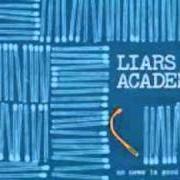 Liars Academy
 Charlotte Martin
 Eartha Kitt
 Hellogoodbye
 Phil Anselmo
 Geoff Moore and The Distance
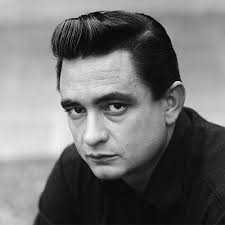 Johnny Cash
 Ratatat
 Old Man Gloom
 Sevyn Streeter