




Don't play that closing chord for me, baby baby.
I want a wake to wake the dead.
Some rolling sounds with drums and rocking bass,
And my good comrades dancing...all around the place.
Don't play that closing chord for me, baby baby.
I want rejoicing when I go.
Celebrate my advent and that I've had my day,
With a roving melody to...send me on my way.
Don't play that closing chord for me, baby baby.
Lugubrious is not my style.
I favored grins and laghs with loving on the side.
So do a Moog type version of "Here Comes the Bride."
Don't play that closing chord for me, baby baby.
I'll bless the ground from whence I came,
I'll make some daisy shine...daisy shine
Some grass grow green...grass grow green.
And leave a sneaky dandelion to decorate the scene
Pete Seeger (1919-2014) était un chanteur, musicien et activiste américain de renommée mondiale. Né à New York dans une famille d'artistes, Seeger s'est distingué par sa voix puissante et son engagement social. Il a commencé sa carrière dans les années 1930 avec des groupes folk comme The Almanac Singers, promouvant des thèmes de justice sociale et combattant les injustices. Pendant les années 1950, Seeger est devenu un symbole de la musique folk américaine, influençant des générations d'artistes par son style direct et engageant. Sa chanson la plus célèbre, "Where Have All the Flowers Gone?", est devenue un hymne pour la paix et contre la guerre. Il a également contribué à la naissance du mouvement écologiste dans les années 1960 avec des chansons comme "If I Had a Hammer". Seeger a été souvent critiqué pour ses opinions politiques pendant la Guerre Froide, mais il est resté une icône de la musique folk américaine jusqu'à sa mort en 2014. Parmi ses albums les plus importants figurent "American Industrial Ballads" (1956) et "Rainbow Race" (1963). Certaines de ses chansons les plus représentatives sont : "Where Have All the Flowers Gone?", "If I Had a Hammer", "Turn! Turn! Turn!" et "Guantanamera".

 Chairlift
 Rebel Meets Rebel
 Latrelle
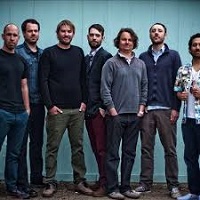 Mad Caddies
 Jello Biafra
 Black Angels (The)
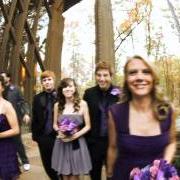 Tiffany Thornton
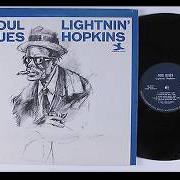 Lightnin' Hopkins
 Matt Mays
 Soshy
 Bo Bice
 Paris Texas