





As the sun
Rose on the rim of eastern sky
And this one
World that we love was trying to die
We said stand!
And sing out for a great hooray-o!
Your child may be the one to exclaim
The emperor is naked today-o!
Four winds that blow
Four thousand tongues, with the word: survive
Four billion souls
Striving today to stay alive
We say stand!
And sing out for a great hooray-o!
Why don't we be the ones to exclaim
The emperor is naked today-o!
Men - have failed
Power has failed, with papered gold.
Shalom - salaam
Will yet be a word where slaves were sold
We say stand!
And sing out for a great hooray-o!
We yet may find the way to exclaim
The emperor is naked today-o!
Pete Seeger (1919-2014) était un chanteur, musicien et activiste américain de renommée mondiale. Né à New York dans une famille d'artistes, Seeger s'est distingué par sa voix puissante et son engagement social. Il a commencé sa carrière dans les années 1930 avec des groupes folk comme The Almanac Singers, promouvant des thèmes de justice sociale et combattant les injustices. Pendant les années 1950, Seeger est devenu un symbole de la musique folk américaine, influençant des générations d'artistes par son style direct et engageant. Sa chanson la plus célèbre, "Where Have All the Flowers Gone?", est devenue un hymne pour la paix et contre la guerre. Il a également contribué à la naissance du mouvement écologiste dans les années 1960 avec des chansons comme "If I Had a Hammer". Seeger a été souvent critiqué pour ses opinions politiques pendant la Guerre Froide, mais il est resté une icône de la musique folk américaine jusqu'à sa mort en 2014. Parmi ses albums les plus importants figurent "American Industrial Ballads" (1956) et "Rainbow Race" (1963). Certaines de ses chansons les plus représentatives sont : "Where Have All the Flowers Gone?", "If I Had a Hammer", "Turn! Turn! Turn!" et "Guantanamera".

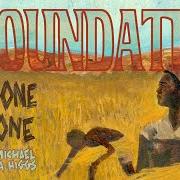 Groundation
 Rhonda Vincent
 Big Dismal
 Beverly Mcclellan
 Avenged Sevenfold
 Oh No! Oh My!
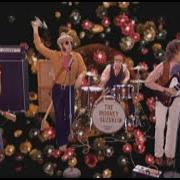 The Mooney Suzuki
 Buckethead
 Teeflii
 Matthew Ryan
 Bracket
 Emilie Autumn