





It was down the glen one Easter morn, to a city fair rode I
There Ireland's lines of marching men, in squadron passed me by
No pipes did hum or no battle drum did sound its dread tattoo
But, the Angelus bell o'er the Liffey swell, rang out in the Foggy Dew
Right proudly high over Dublin town, they hung out the flag of war
For, 'twas better to die 'neath an Irish sky than at Suvla or Sud El Bar
And from the plains of Royal Meath, strong men came hurrying through
While Brittania's sons with their long range guns, sailed in by the Foggy Dew
'Twas England bade our wild geese go that small nations might be free
But, their lonely graves are by Suvla's waves on the fringe of the grey North Sea
Oh, had they died by Pearse's side, or fought with Valera true
Their graves we'd keep where the Fenians sleep, 'neath the hills of the Foggy Dew
The bravest fell and the sullen bell rang mournfully and clear
For those who died that Easter tide in the springing of the year
And the world did gaze in deep amaze at those fearless men and true
Who bore the fight that freedom's light might shine through the Foggy Dew
Les Clancy Brothers étaient un groupe de musique folk irlandais formé en 1961 et actif jusqu'en 1975, bien qu'ils aient continué à performer dans différentes formations. Composé de trois frères : Liam, Tom et Paddy Clancy, le groupe a connu une grande popularité aux États-Unis pendant les années 1960. Leur début s'est produit au Newport Folk Festival en 1961, partageant la scène avec Joan Baez. Les Clancy Brothers sont connus pour leurs performances énergiques et leur voix harmonieuse, caractérisée par un fort accent irlandais. Leur répertoire comprend des chansons folkloriques irlandaises traditionnelles, souvent réinterprétées dans un style moderne. Parmi leurs chansons les plus célèbres figurent "The Wild Rover", "Seven Drunken Nights" et "Red Is the Rose". L'album "The Clancy Brothers Sing Irish Ballads" (1963) est considéré comme un classique du genre folk irlandais.

 Paul Brady
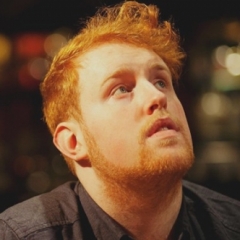 Gavin James
 Bagatelle
 Foy Vance
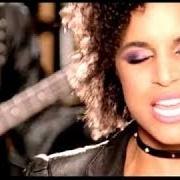 Laura Izibor
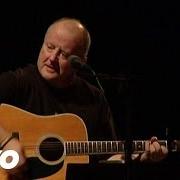 Christy Moore
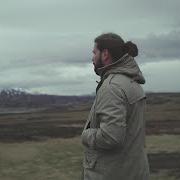 Rea Garvey
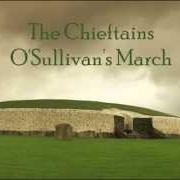 The Chieftains
 Black 47
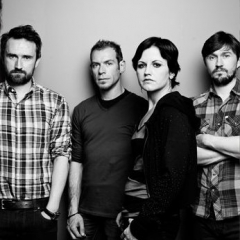 The Cranberries
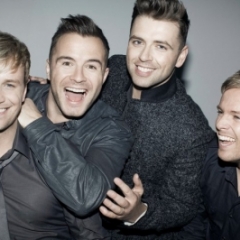 Westlife
 Gaelic Storm