




There is a house in
New
Orleans
They call the
Rising
Sun
And it's been the ruin of many a poor boy
And
God
I know
I'm one
My mother was a tailor
She sewed my new bluejeans
My father was a gamblin' man
Down in
New
Orleans
Now the only thing a gambler needs
Is a suitcase and trunk
And the only time he's satisfied
Is when he's on a drunk
Oh mother tell your children
Not to do what
I have done
Spend your lives in sin and misery
In the
House of the
Rising
Sun
Well,
I got one foot on the platform
The other foot on the train
I'm goin' back to
New
Orleans
To wear that ball and chain
Well, there is a house in
New
Orleans
They call the
Rising
Sun
And it's been the ruin of many a poor boy
And
God
I know
I'm one
Pete Seeger (1919-2014) était un chanteur, musicien et activiste américain de renommée mondiale. Né à New York dans une famille d'artistes, Seeger s'est distingué par sa voix puissante et son engagement social. Il a commencé sa carrière dans les années 1930 avec des groupes folk comme The Almanac Singers, promouvant des thèmes de justice sociale et combattant les injustices. Pendant les années 1950, Seeger est devenu un symbole de la musique folk américaine, influençant des générations d'artistes par son style direct et engageant. Sa chanson la plus célèbre, "Where Have All the Flowers Gone?", est devenue un hymne pour la paix et contre la guerre. Il a également contribué à la naissance du mouvement écologiste dans les années 1960 avec des chansons comme "If I Had a Hammer". Seeger a été souvent critiqué pour ses opinions politiques pendant la Guerre Froide, mais il est resté une icône de la musique folk américaine jusqu'à sa mort en 2014. Parmi ses albums les plus importants figurent "American Industrial Ballads" (1956) et "Rainbow Race" (1963). Certaines de ses chansons les plus représentatives sont : "Where Have All the Flowers Gone?", "If I Had a Hammer", "Turn! Turn! Turn!" et "Guantanamera".

 Tank
 Damien Jurado
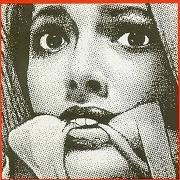 Pain Teens
 Shane Alexander
 Eleni Mandell
 Killa Tay
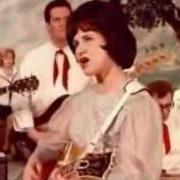 Kitty Wells
 Enuff Z'Nuff
 The Drums
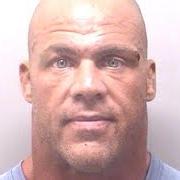 Kurt Angle
 Laura Gibson
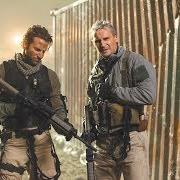 The Expendables