




Some say the trouble's in the Pentagon
Some say the trouble's in the street
Some say the president's a paragon
Where's the trouble at the bottom?
Some say the trouble's the anatomy
Some say the trouble's in the head
Some say the trouble's the psychology
Where's the trouble at the bottom?
[Chorus:]
Trouble, trouble, where's the trouble,
Oh mama, where's the trouble,
Got a headache, seeing double,
Where's the trouble at the bottom?
Trouble, trouble, where's the trouble,
Oh mama, where's the trouble,
Got a headache, seeing double,
Where's the trouble at the bottom?
Some say the trouble's with the principal
Some say the trouble's with the kids
Some say the trouble's the curriculum
Where's the trouble at the bottom?
Some say the trouble's in the textbook
Some say the trouble's the class
Over all the school board fugging up
Where's the trouble at the bottom?
[Chorus]
Some say the trouble's in the family
Some say the trouble's on the job
I say whatever the analogy,
Find the trouble at the bottom.
Some say the trouble's with the system
Some say the trouble's in the class
Karl said the trouble is the upper one,
That is the upper, not the bottom.
[Chorus]
Pete Seeger (1919-2014) était un chanteur, musicien et activiste américain de renommée mondiale. Né à New York dans une famille d'artistes, Seeger s'est distingué par sa voix puissante et son engagement social. Il a commencé sa carrière dans les années 1930 avec des groupes folk comme The Almanac Singers, promouvant des thèmes de justice sociale et combattant les injustices. Pendant les années 1950, Seeger est devenu un symbole de la musique folk américaine, influençant des générations d'artistes par son style direct et engageant. Sa chanson la plus célèbre, "Where Have All the Flowers Gone?", est devenue un hymne pour la paix et contre la guerre. Il a également contribué à la naissance du mouvement écologiste dans les années 1960 avec des chansons comme "If I Had a Hammer". Seeger a été souvent critiqué pour ses opinions politiques pendant la Guerre Froide, mais il est resté une icône de la musique folk américaine jusqu'à sa mort en 2014. Parmi ses albums les plus importants figurent "American Industrial Ballads" (1956) et "Rainbow Race" (1963). Certaines de ses chansons les plus représentatives sont : "Where Have All the Flowers Gone?", "If I Had a Hammer", "Turn! Turn! Turn!" et "Guantanamera".

 Illenium
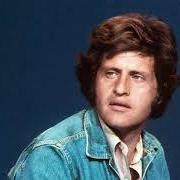 Joe Dassin
 Everything
 Sylvester
 Vic Chesnutt
 Redemption
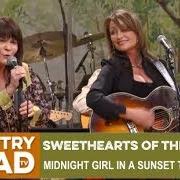 Sweethearts Of The Rodeo
 The Mr. T Experience
 Car Bomb
 Tex Williams
 Rvivr
 Side Walk Slam