




A lonely spot I know where no man will go
Where the shadows have all the room
I was riding free on the old S.P.
Humming a southern tune,
When a man came along, made me hush my song, kicked me off away out there,
Ohh - yo -dl - ay - dee - ohh - ay
Ohh - ay - hoo ohh o - dl - ay - dee - ohh - way ohh - way hoo.
Well I set down my load in the desert road, rested my weary legs,
As I watched the setting sun make the tall shadows run
Out across the barren plains. Then I hummed a tune to the rising moon; she gets lonesome way out there,
Ohh - ay - hoo ohh o - dl - ay - dee - ohh - way ohh - way hoo.
Well I closed my eyes to the starlit skies, lost myself in dreams.
And I dreamed the desert sand was a milk and honey land
And then I awoke with a start.
There was a train coming back on the one way track, gonna carry me away from here,
Ohh - yo -dl - ay - dee - ohh - ay
Ohh - ay - hoo ohh o - dl - ay - dee - ohh - way ohh - way hoo.
As she passed me by I caught her on the fly, climbed in an open door.
I looked around and saw the desert ground, to the spot I would see no more,
As I was riding away I heard that pale moon say,
"So long, pal, it sure gets lonesome here."
Ohh - yo -dl - ay - dee - ohh - ay
Ohh - ay - hoo ohh o - dl - ay - dee - ohh - way ohh - way hoo
Pete Seeger (1919-2014) était un chanteur, musicien et activiste américain de renommée mondiale. Né à New York dans une famille d'artistes, Seeger s'est distingué par sa voix puissante et son engagement social. Il a commencé sa carrière dans les années 1930 avec des groupes folk comme The Almanac Singers, promouvant des thèmes de justice sociale et combattant les injustices. Pendant les années 1950, Seeger est devenu un symbole de la musique folk américaine, influençant des générations d'artistes par son style direct et engageant. Sa chanson la plus célèbre, "Where Have All the Flowers Gone?", est devenue un hymne pour la paix et contre la guerre. Il a également contribué à la naissance du mouvement écologiste dans les années 1960 avec des chansons comme "If I Had a Hammer". Seeger a été souvent critiqué pour ses opinions politiques pendant la Guerre Froide, mais il est resté une icône de la musique folk américaine jusqu'à sa mort en 2014. Parmi ses albums les plus importants figurent "American Industrial Ballads" (1956) et "Rainbow Race" (1963). Certaines de ses chansons les plus représentatives sont : "Where Have All the Flowers Gone?", "If I Had a Hammer", "Turn! Turn! Turn!" et "Guantanamera".

 The Blood Arm
 Mordred
 Flickerstick
 Drew Sidora
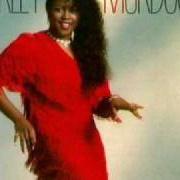 Shirley Murdock
 Usurper
 Yelawolf
 Bloodlet
 Arianna Puello
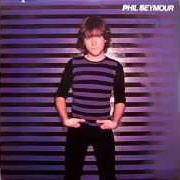 Phil Seymour
 No Doubt
 The Venetia Fair