





Who killed Norma Jean?
I, said the City, as a civic duty,
I killed Norma Jean.
Who saw her die?
I, said the Night, and a bedroom light,
We saw her die.
Who'll catch her blood?
I, said the Fan, with my little pan,
I'll catch her blood.
Who'll make her shroud?
I, said the Lover, my guilt to cover,
I'll make her shroud.
Who'll dig her grave?
The tourist will come and join in the fun,
He'll dig her grave.
Who'll be chief mourners?
We who represent, and lose our ten percent.
We'll be the chief mourners.
Who'll bear the pall?
We, said the Press, in pain and distress,
We'll bear the pall.
Who'll toll the bell?
I, screamed the mother, locked in her tower,
I'll pull the bell.
Who'll soon forget?
I, said the Page, beginning to fade,
I'll be the first to forget
Pete Seeger (1919-2014) était un chanteur, musicien et activiste américain de renommée mondiale. Né à New York dans une famille d'artistes, Seeger s'est distingué par sa voix puissante et son engagement social. Il a commencé sa carrière dans les années 1930 avec des groupes folk comme The Almanac Singers, promouvant des thèmes de justice sociale et combattant les injustices. Pendant les années 1950, Seeger est devenu un symbole de la musique folk américaine, influençant des générations d'artistes par son style direct et engageant. Sa chanson la plus célèbre, "Where Have All the Flowers Gone?", est devenue un hymne pour la paix et contre la guerre. Il a également contribué à la naissance du mouvement écologiste dans les années 1960 avec des chansons comme "If I Had a Hammer". Seeger a été souvent critiqué pour ses opinions politiques pendant la Guerre Froide, mais il est resté une icône de la musique folk américaine jusqu'à sa mort en 2014. Parmi ses albums les plus importants figurent "American Industrial Ballads" (1956) et "Rainbow Race" (1963). Certaines de ses chansons les plus représentatives sont : "Where Have All the Flowers Gone?", "If I Had a Hammer", "Turn! Turn! Turn!" et "Guantanamera".

 Colin Meloy
 Donita Sparks
 Ov7
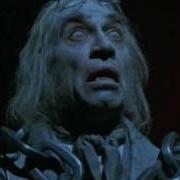 Marleys Ghost
 Morgan Page
 Imagine Dragons
 Big Dismal
 Shai Hulud
 East West
 Natalie Grant
 Barbara Cook
 Trace Adkins