




(Pete Seeger)
[Words printed in lower case are sung by the song leader. Words printed in capital letters are repeated or sung by the audience.]
If it can't be reduced - IF IT CAN'T BE REDUCED
Reused, repaired - REUSED REPAIRED
Rebuilt, refurbished, refinished, resold, recycled or composted - OR COMPOSTED
Then it should be - THEN IT SHOULD BE
Restricted, redesigned - RESTRICTED, REDESIGNED
Or removed - REMOVED!
From production - FROM PRODUCTION
HOORAY FOR THE CITY OF BERKELEY
HOORAY FOR THE CITY OF BERKELEY
HOORAY FOR THE CITY OF BERKELEY
AND ITS ZERO WASTE COMMISSION
HOORAY FOR THE CITY OF BERKELEY
HOORAY FOR THE CITY OF BERKELEY
HOORAY FOR THE CITY OF BERKELEY
AND ITS ZERO WASTE COMMISSION
[repeat first verse]
HOORAY FOR THE CITY OF BERKELEY
HOORAY FOR THE CITY OF BERKELEY
HOORAY FOR THE CITY OF BERKELEY
AND ITS ZERO WASTE COMMISSION
HOORAY FOR THE CITY OF BERKELEY
HOORAY FOR THE CITY OF BERKELEY
HOORAY FOR THE CITY OF BERKELEY
AND ITS ZERO WASTE COMMISSION
Pete Seeger (1919-2014) était un chanteur, musicien et activiste américain de renommée mondiale. Né à New York dans une famille d'artistes, Seeger s'est distingué par sa voix puissante et son engagement social. Il a commencé sa carrière dans les années 1930 avec des groupes folk comme The Almanac Singers, promouvant des thèmes de justice sociale et combattant les injustices. Pendant les années 1950, Seeger est devenu un symbole de la musique folk américaine, influençant des générations d'artistes par son style direct et engageant. Sa chanson la plus célèbre, "Where Have All the Flowers Gone?", est devenue un hymne pour la paix et contre la guerre. Il a également contribué à la naissance du mouvement écologiste dans les années 1960 avec des chansons comme "If I Had a Hammer". Seeger a été souvent critiqué pour ses opinions politiques pendant la Guerre Froide, mais il est resté une icône de la musique folk américaine jusqu'à sa mort en 2014. Parmi ses albums les plus importants figurent "American Industrial Ballads" (1956) et "Rainbow Race" (1963). Certaines de ses chansons les plus représentatives sont : "Where Have All the Flowers Gone?", "If I Had a Hammer", "Turn! Turn! Turn!" et "Guantanamera".

 Big & Rich
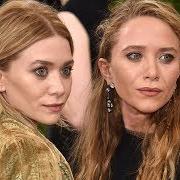 Mary-Kate & Ashley Olsen
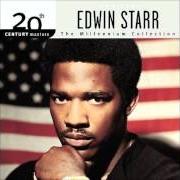 Edwin Starr
 My Friend Steve
 Kyuss
 Fireflight
 Theatre Of Ice
 Comadre
 Fatal Hussein
 Rockell
 Jeannie Seely
 Eydie Gorme